Unlock Your Home's Potential: Interior Design and Readings
- Lynn Ramirez
- May 11
- 4 min read

Transforming your home into a space that reflects your personality and meets your needs can be an exciting yet daunting task. Whether you are moving into a new place or looking to refresh your current living space, understanding the principles of interior design can unlock your home's potential. This blog post will guide you through essential design concepts, practical tips, and insightful readings that can inspire your journey toward a beautifully designed home.

Understanding the Basics of Interior Design
Before diving into the specifics of interior design, it's essential to grasp the foundational concepts that guide the process. Interior design is not merely about aesthetics; it encompasses functionality, comfort, and the overall atmosphere of a space. Here are some key principles to consider:
Balance
Balance refers to the distribution of visual weight in a room. There are three types of balance:
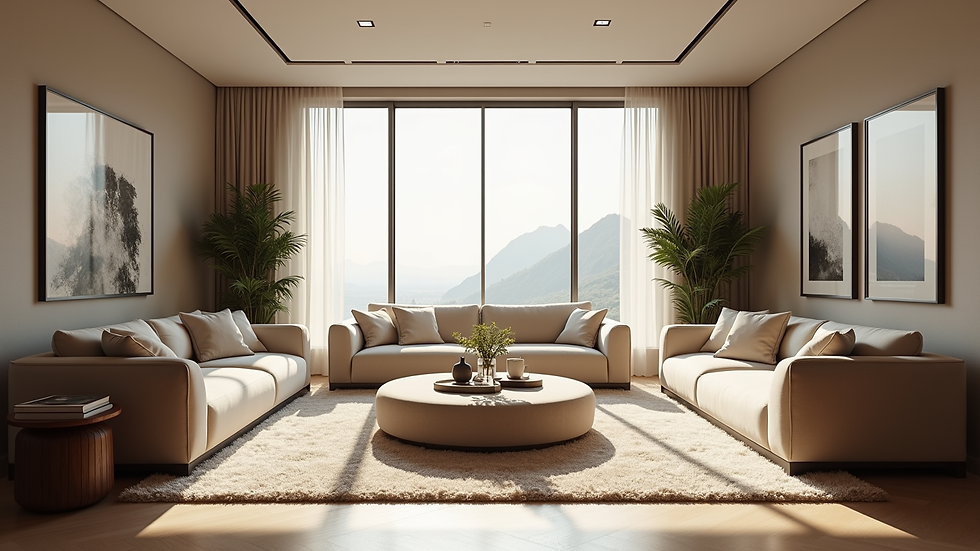
Symmetrical Balance: Achieved by placing identical items on either side of a central point. This creates a formal and orderly feel.
Asymmetrical Balance: Involves arranging different items of equal visual weight. This approach offers a more casual and dynamic look.
Radial Balance: Elements radiate from a central point, creating a sense of movement and flow.
Harmony and Unity
Harmony and unity ensure that all elements in a room work together cohesively. This can be achieved through color schemes, materials, and design styles. For example, using a consistent color palette throughout your home can create a sense of flow and connection between spaces.
Scale and Proportion
Understanding scale and proportion is crucial for creating a comfortable environment. Scale refers to the size of an object in relation to the space it occupies, while proportion deals with the relationship between the sizes of different objects. For instance, a large sofa may overwhelm a small room, while a tiny chair may get lost in a spacious living area.
Focal Point
Every room should have a focal point that draws the eye. This could be a piece of artwork, a fireplace, or a stunning piece of furniture. Establishing a focal point helps to anchor the room and provides a sense of direction for the design.
Practical Tips for Interior Design
Now that you understand the basic principles, here are some practical tips to help you design your space effectively:
1. Define Your Style
Before you start decorating, take some time to define your personal style. Are you drawn to modern minimalism, rustic charm, or eclectic bohemian vibes? Understanding your preferences will guide your choices and help create a cohesive look.
2. Create a Mood Board
A mood board is a visual representation of your design ideas. Collect images, color swatches, and fabric samples that resonate with your vision. This will serve as a reference point throughout the design process and help you stay focused.
3. Choose a Color Palette
Color plays a significant role in setting the mood of a space. Consider the emotions you want to evoke and choose a color palette that reflects that. For example, soft blues and greens can create a calming atmosphere, while bold reds and yellows can energize a room.
4. Invest in Quality Furniture
When it comes to furniture, quality matters. Invest in pieces that are not only stylish but also durable. Look for timeless designs that can withstand changing trends, ensuring your investment lasts for years to come.
5. Layer Textures
Incorporating various textures adds depth and interest to your space. Mix materials such as wood, metal, fabric, and glass to create a visually appealing environment. For example, pairing a sleek leather sofa with a soft wool throw can create a cozy yet sophisticated look.
6. Use Lighting Wisely
Lighting can dramatically affect the ambiance of a room. Consider using a combination of ambient, task, and accent lighting to create a well-lit space. Dimmers can also provide flexibility, allowing you to adjust the mood as needed.
7. Personalize Your Space
Incorporate personal touches that reflect your personality and interests. This could be through artwork, family photos, or unique decor items collected from your travels. Personalization makes a space feel like home.
Inspiring Readings on Interior Design
To deepen your understanding of interior design, consider exploring the following books and resources:
1. "The Interior Design Reference & Specification Book" by Chris Grimley and Mimi Love
This comprehensive guide covers essential design principles, materials, and specifications. It's a valuable resource for both beginners and experienced designers.
2. "Homebody: A Guide to Creating Spaces You Never Want to Leave" by Joanna Gaines
Joanna Gaines shares her insights on creating inviting and functional spaces. This book is filled with practical tips and beautiful photography that can inspire your design journey.
3. "The Art of Interior Design" by Robert K. McCauley
This book delves into the artistic aspects of interior design, exploring how to create visually stunning spaces. It emphasizes the importance of creativity and personal expression in design.
4. Online Resources
Websites like Houzz and Pinterest offer a wealth of inspiration and ideas for interior design. You can browse through countless images, save your favorites, and even connect with professionals in the field.
Conclusion
Unlocking your home's potential through interior design is a rewarding endeavor that allows you to create a space that reflects your personality and meets your needs. By understanding the fundamental principles of design, applying practical tips, and seeking inspiration from various readings, you can transform your living space into a sanctuary that you love.
Remember, the journey of designing your home is not just about aesthetics; it's about creating a space where you feel comfortable, inspired, and truly at home. So, gather your ideas, embrace your creativity, and start designing the home of your dreams!

Comments